
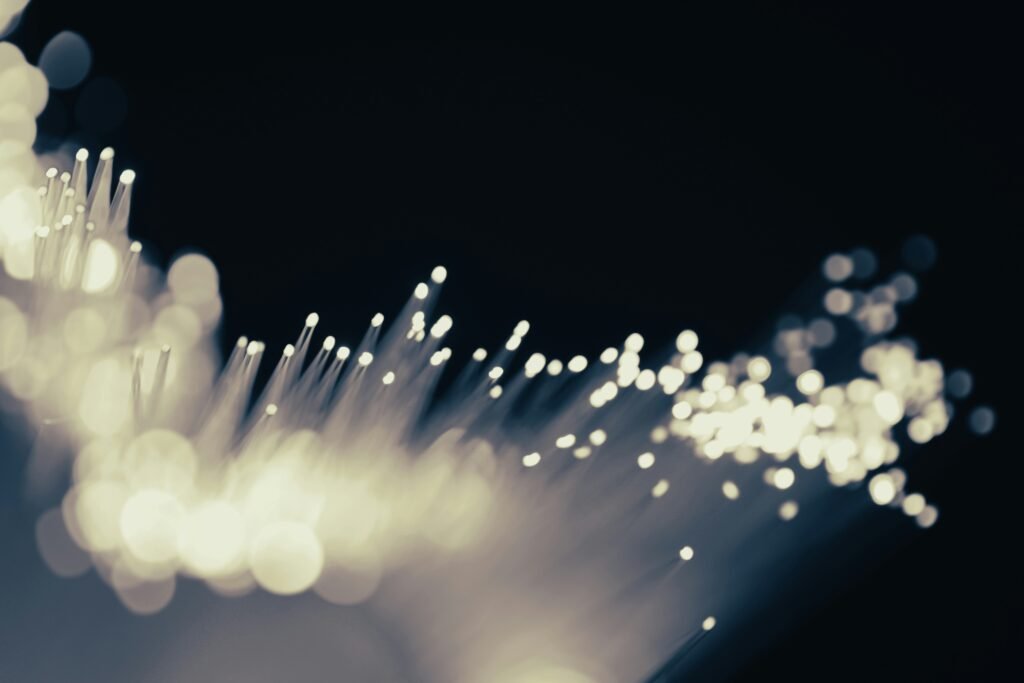
Fiber optic wiring has revolutionized how we transmit data, offering unprecedented speed and reliability for internet connections, telecommunications, and networking infrastructure. Whether you are upgrading your home network or planning a commercial installation, understanding fiber optic technology is essential for making informed decisions.
What Is Fiber Optic Wiring?
Fiber optic wiring uses thin strands of glass or plastic to transmit data as pulses of light. Unlike traditional copper cables that use electrical signals, fiber optic cables can carry significantly more data over longer distances with minimal signal loss. This makes fiber optic connections the gold standard for high-speed internet and modern telecommunications.
The technology works by reflecting light through the cable’s core using a principle called total internal reflection. This allows data to travel at approximately 70% the speed of light, making fiber optics the fastest data transmission method available today.
How Does Fiber Optic Cable Work?
Fiber optic technology transmits information as light beams through glass or plastic fibers, fundamentally different from traditional copper cables. With single-mode fiber, light travels straight down the middle of the fiber core, while multi-mode fiber allows light to bounce off the inside walls as it travels to its destination.
Types of Fiber Optic Cables
Understanding the different fiber optic cable types helps you choose the right solution for your needs. Single-mode fiber is optimal for long-distance transmissions, while multi-mode fiber is ideal for shorter distances within buildings.
Fiber Optic Connection Types
Proper fiber optic connections ensure optimal signal transmission. Common connector types include LC, SC, ST, and MPO/MTP connectors, each serving specific networking environments and density requirements.
Frequently Asked Questions About Fiber Optics
Is Fiber Optic Internet Better Than Cable?
Yes, fiber optic internet is superior to cable. It offers symmetrical upload/download speeds, lower latency, and is immune to electromagnetic interference, making it more reliable for business applications.
Can I Install Fiber Optic Cable Myself?
While possible, DIY fiber installation is difficult due to the fragile nature of the glass strands and the precision required for termination. Professional installation ensures optimal signal strength and durability.
How Long Do Fiber Optic Cables Last?
Fiber optic cables are extremely durable and can last for over 25-40 years if properly installed and protected from physical damage.